

Have you ever wondered how sweet grape juice magically transforms into a complex and elegant wine? Actually, at Domaine Schaeffer-Woerly, the secret lies in a fascinating and entirely natural process. This step is simply called alcoholic fermentation. Instead of using industrial methods, we let nature do its work. Consequently, we can preserve the true soul of our organic Alsace wines. Now, let us take you behind the scenes of our estate in Dambach-la-Ville. Together, we will discover the captivating journey of our indigenous yeasts.
Golden Grapes and a 100% Natural “Starter”
In reality, everything begins in the vineyard, long before the grapes arrive in our historic cellar. Indeed, if you carefully observe a cluster of Riesling in the early morning, you will notice a fine, waxy white film on the skin of the berries: this is the famous “bloom” (pruine). Thus, this is exactly where our precious indigenous yeasts hide, cradled by the wind and the microclimate of Dambach-la-Ville.
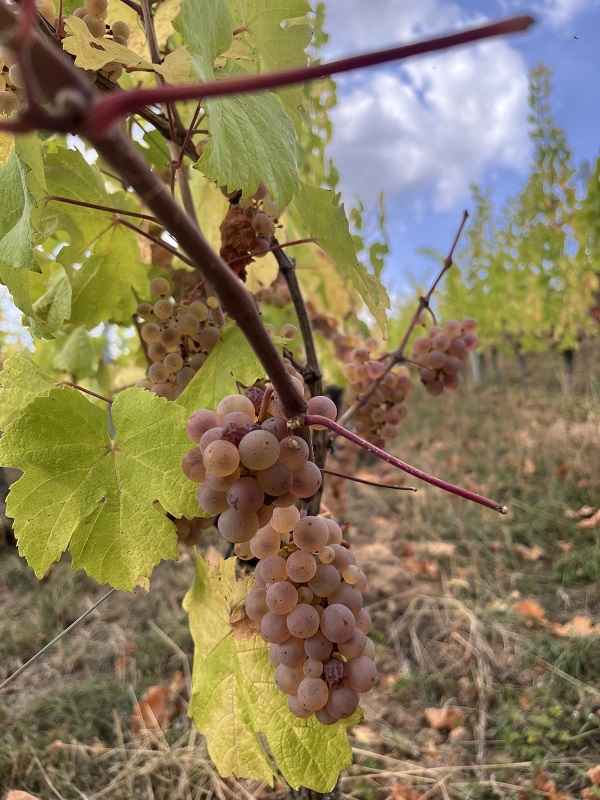
That is why, to guarantee an authentic fermentation, we create a “pied de cuve” (yeast starter) at the very beginning of the harvest. Concretely, the principle is exactly the same as a natural sourdough starter in baking: first of all, we harvest a few buckets of superb grapes that we allow to start fermenting quietly. Finally, this concentrate of microbial life, 100% from our terroir, will serve as a natural starter to inoculate the rest of our vats and launch the fermentations smoothly!
Saccharomyces cerevisiae: The Workers in the Shadows
Furthermore, once the freshly pressed juice is in the vat, the real magic begins. Specifically, the indigenous yeast known scientifically as Saccharomyces cerevisiae takes center stage. Therefore, these microscopic workers tirelessly consume the natural sugars present in the grape juice.
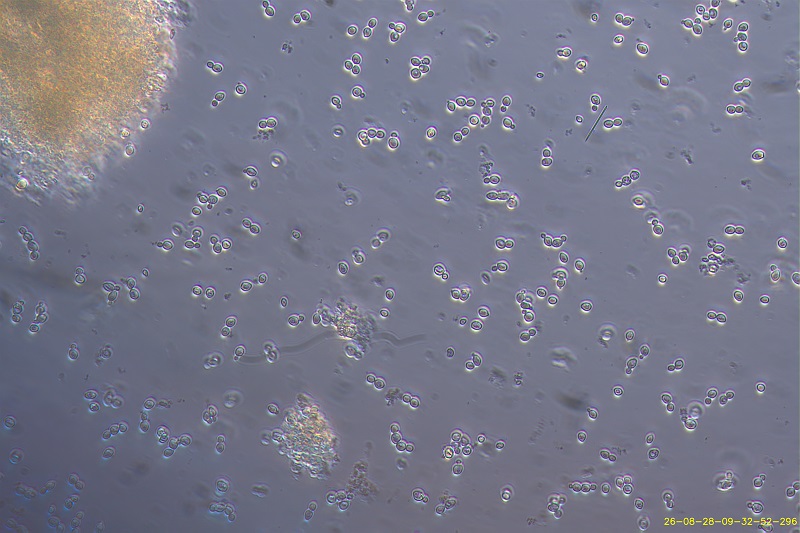
Consequently, they transform this sugar into alcohol, while releasing carbon dioxide and wonderful aromatic compounds. Ultimately, using our own wild yeasts ensures that our organic Alsace wines truly reflect the unique identity of Domaine Schaeffer-Woerly.
The Song of Fermentation and Its Duration
Meanwhile, if you walk through our cellar during this period, you can actually hear the vats “singing”. Indeed, the release of carbon dioxide creates a gentle, continuous bubbling sound.
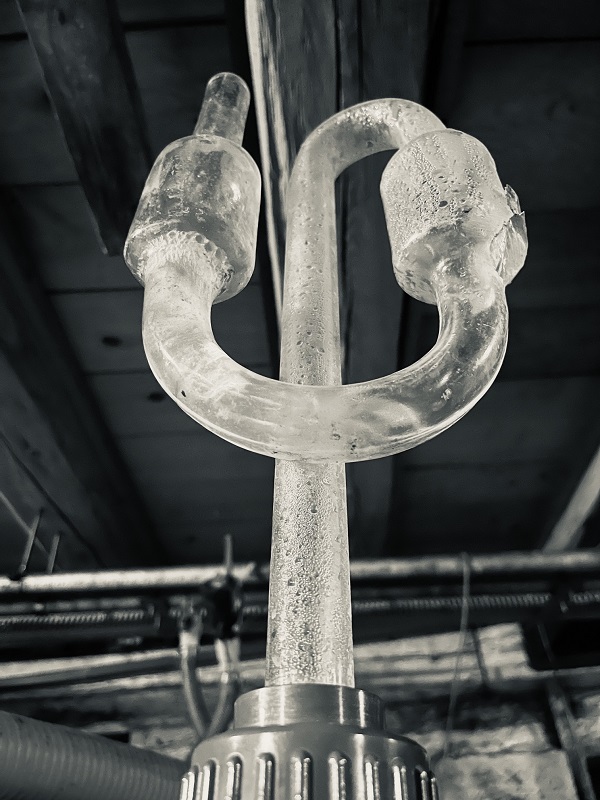
As a general rule, this natural fermentation process can last anywhere from a few weeks to several months, depending on the cellar’s temperature and the specific vintage. In conclusion, we never rush nature; we simply guide it patiently until the wine achieves its perfect, harmonious balance.
Experience the Magic in Every Glass
Are you ready to taste the result of this beautiful natural alchemy? In fact, the best way to truly understand the impact of our indigenous yeasts and our exceptional terroir is simply to taste it. We warmly invite you to visit our cellar in Dambach-la-Ville to discover our unique granite terroir wines and share our passion for authentic winemaking.
However, if you cannot make the trip to Alsace just yet, you can easily explore our collection and buy your favorite bottles directly online!